
Our Works
Latest Projects
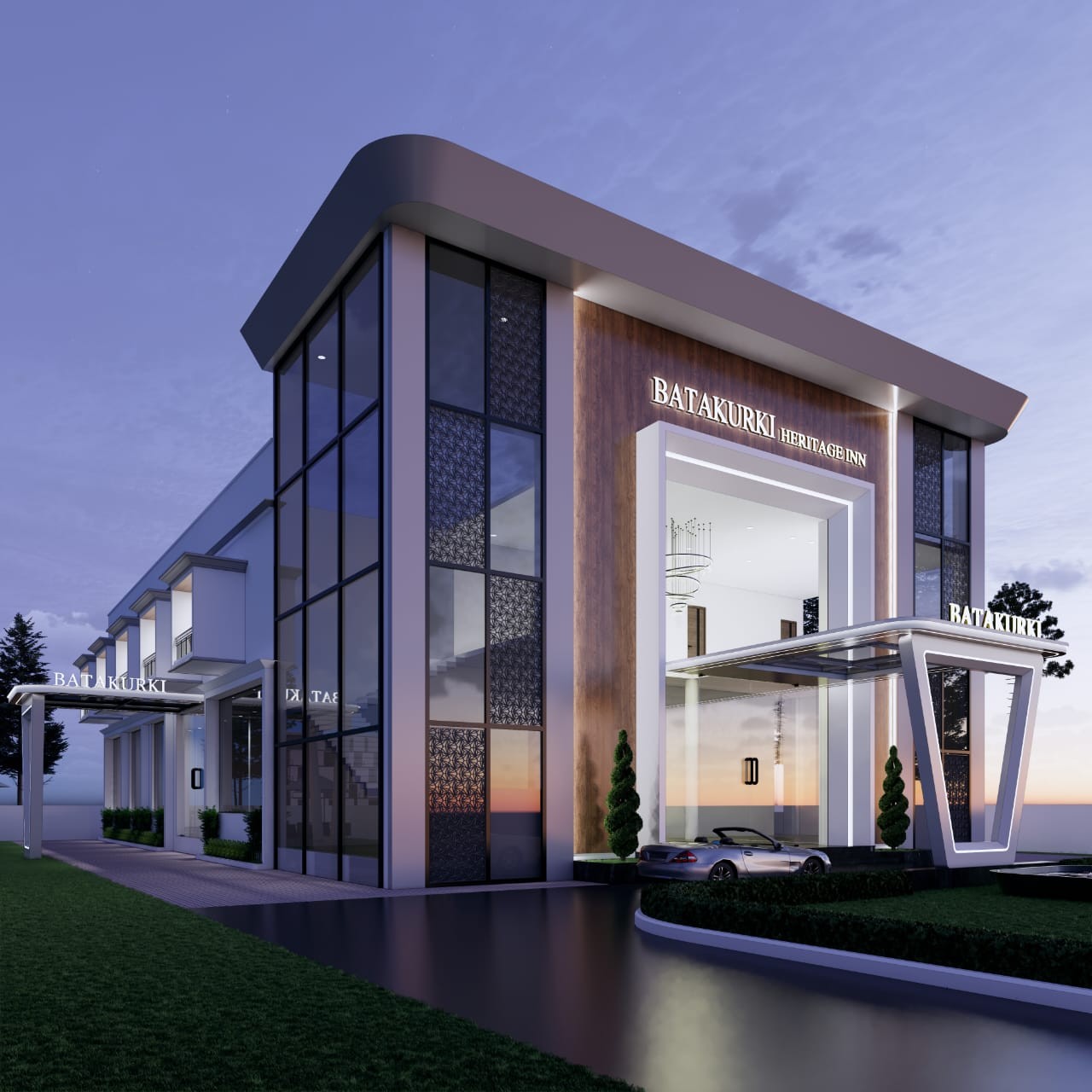
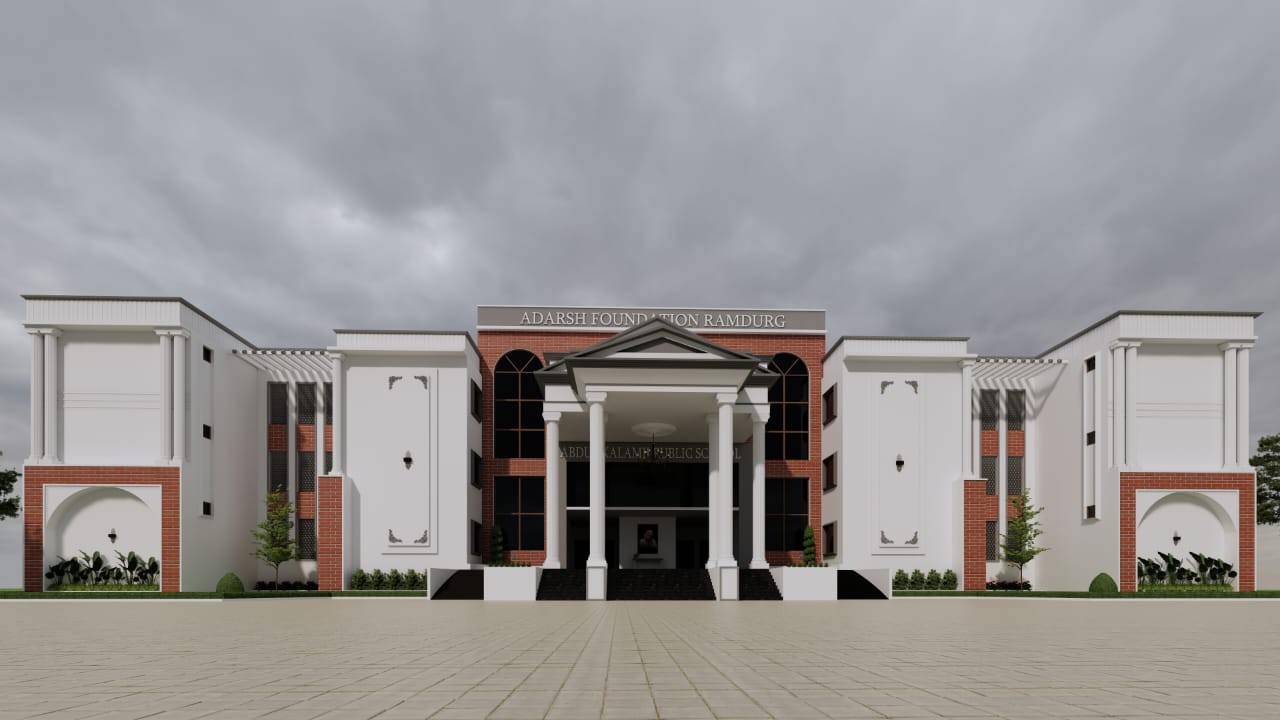
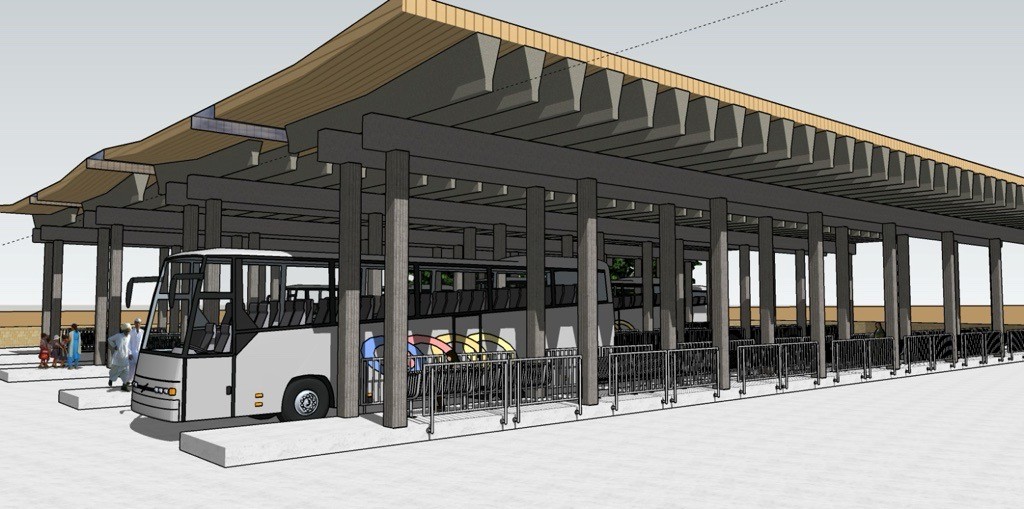
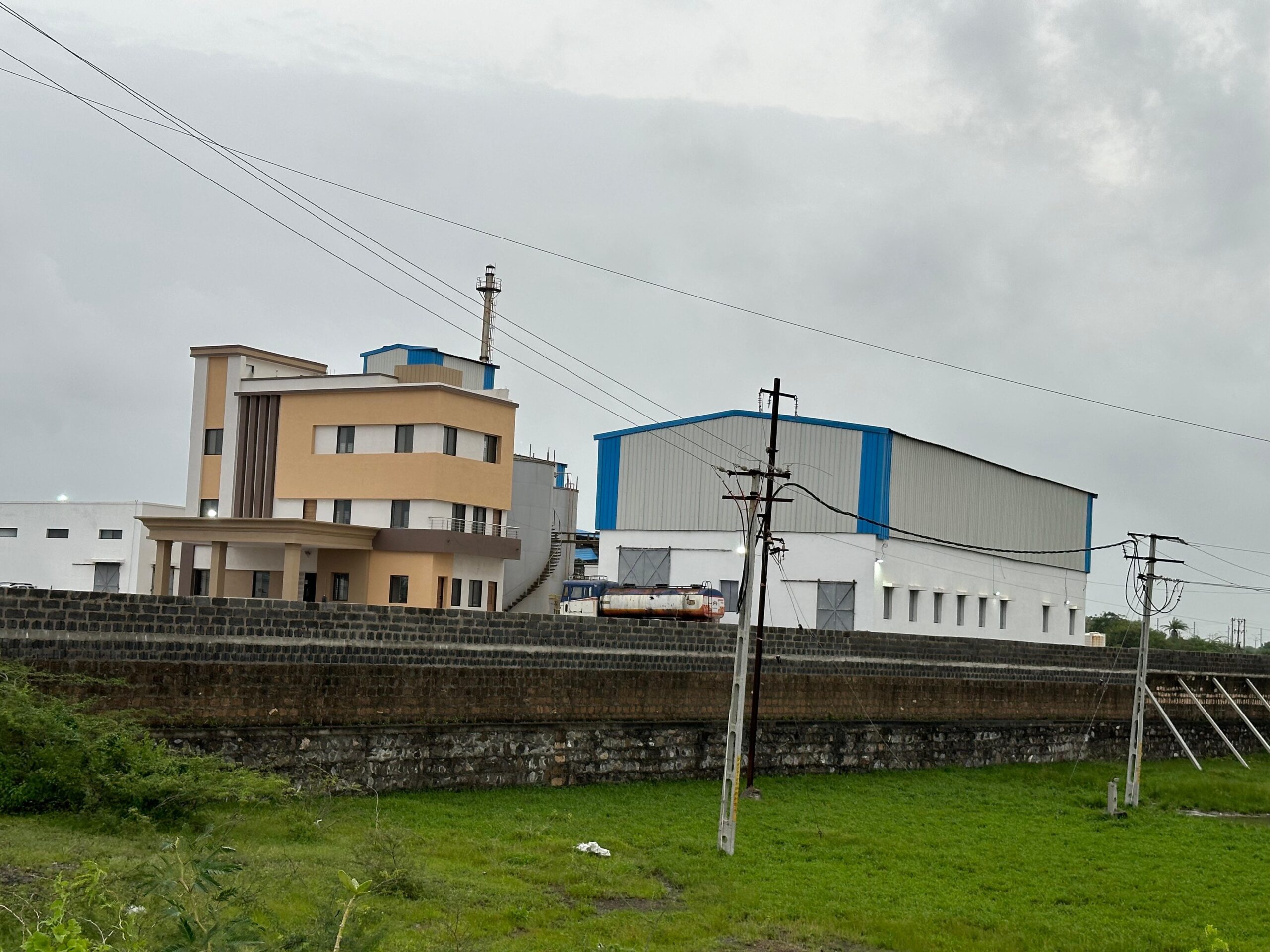
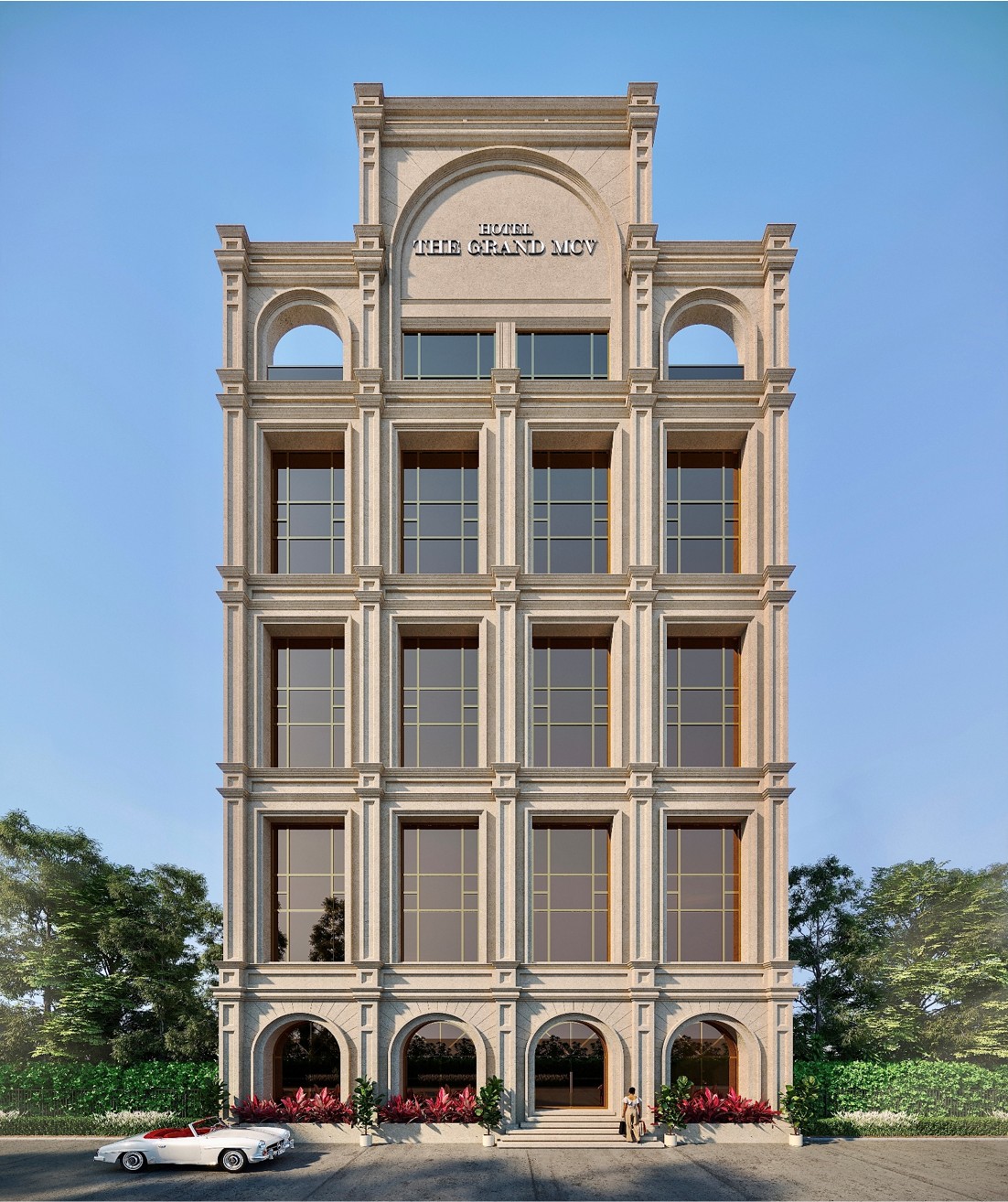
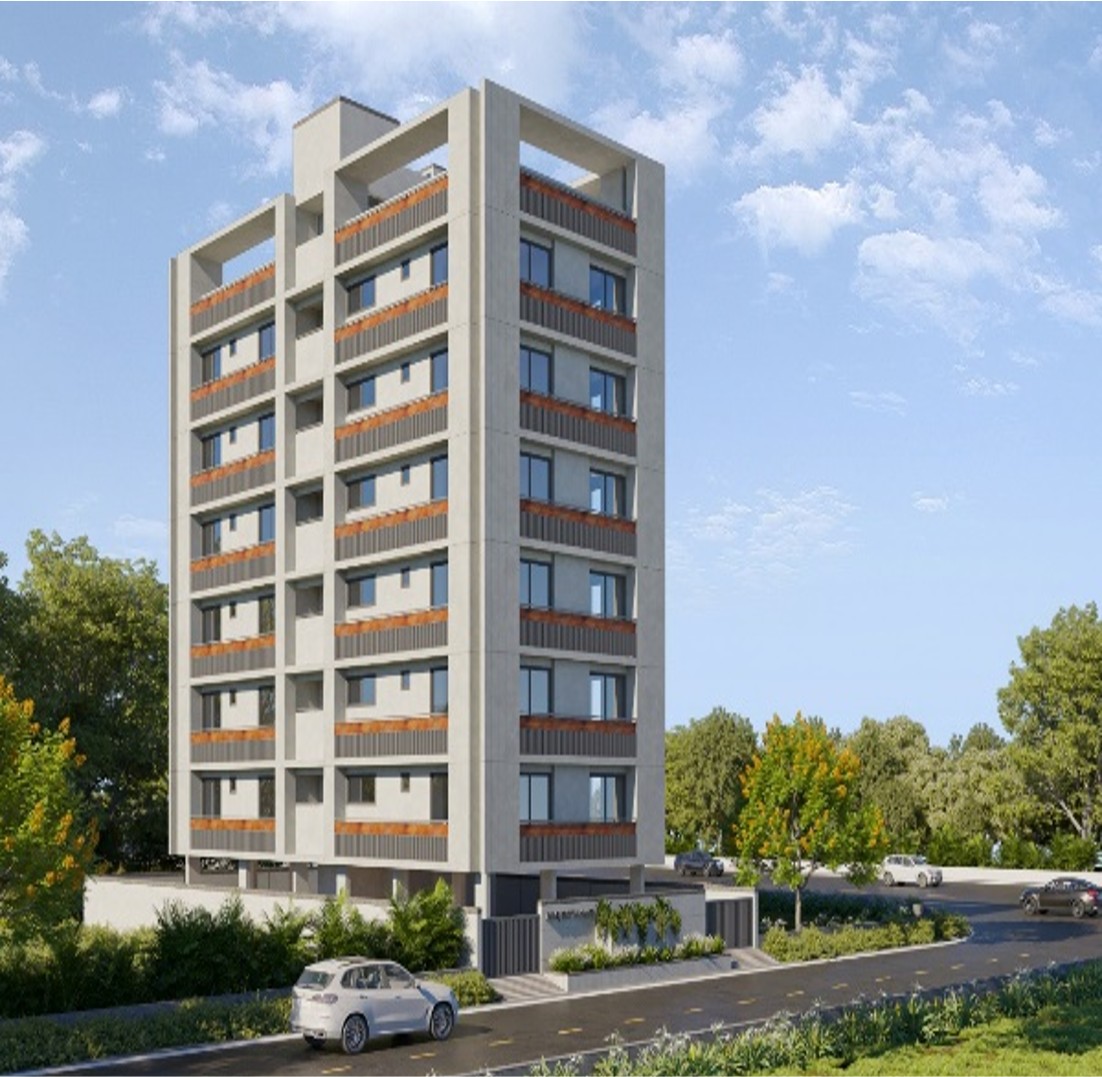
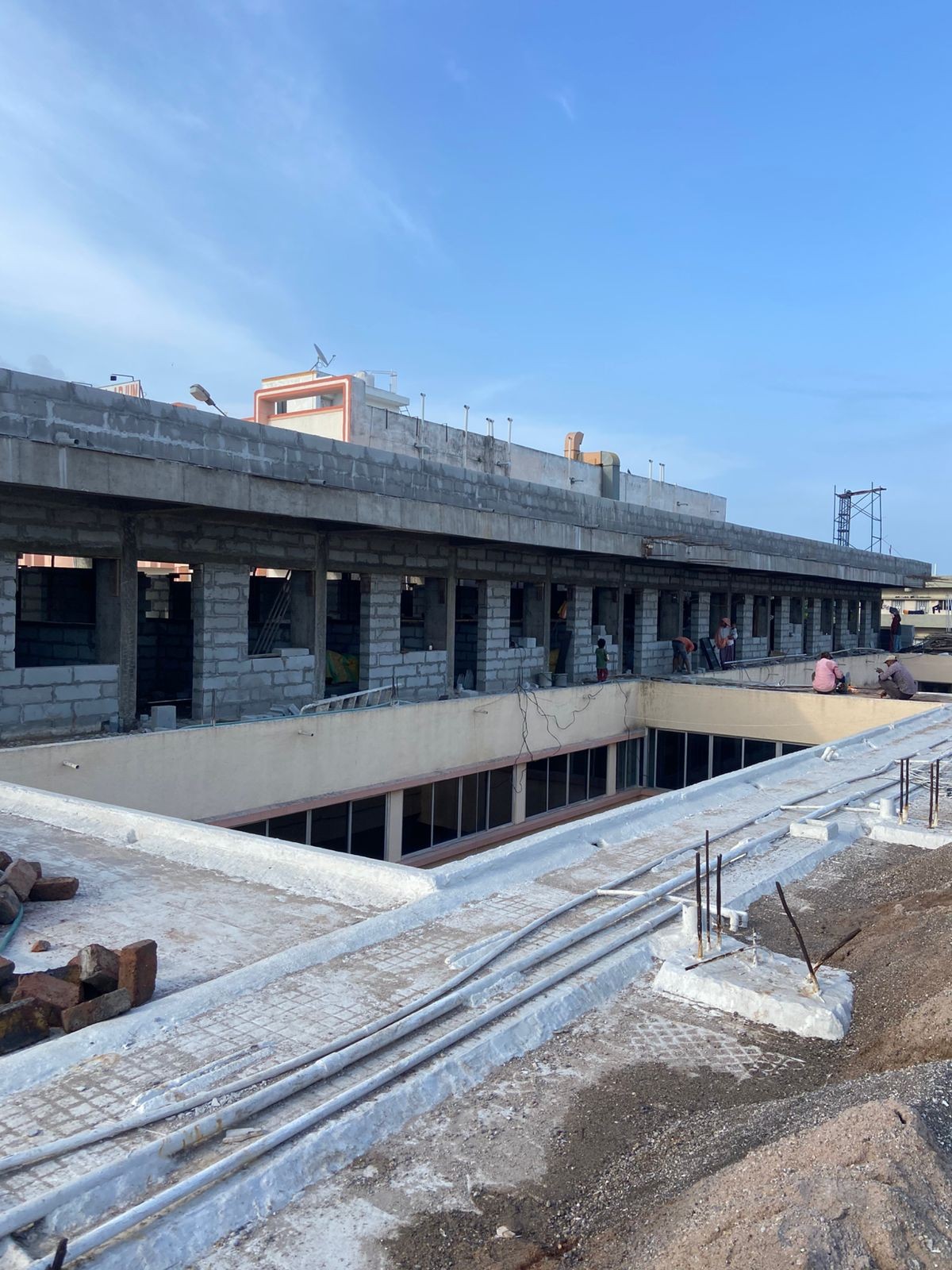
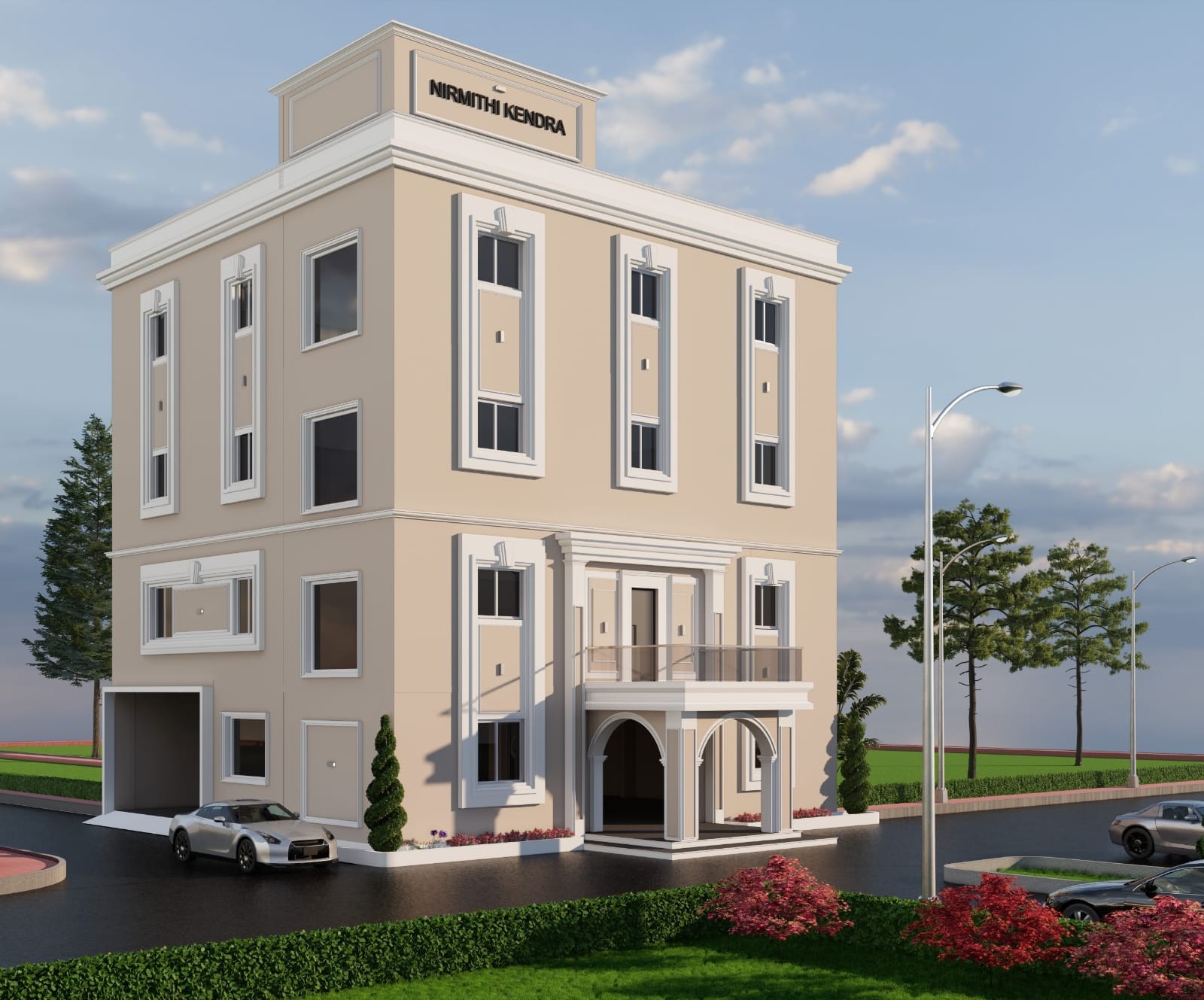
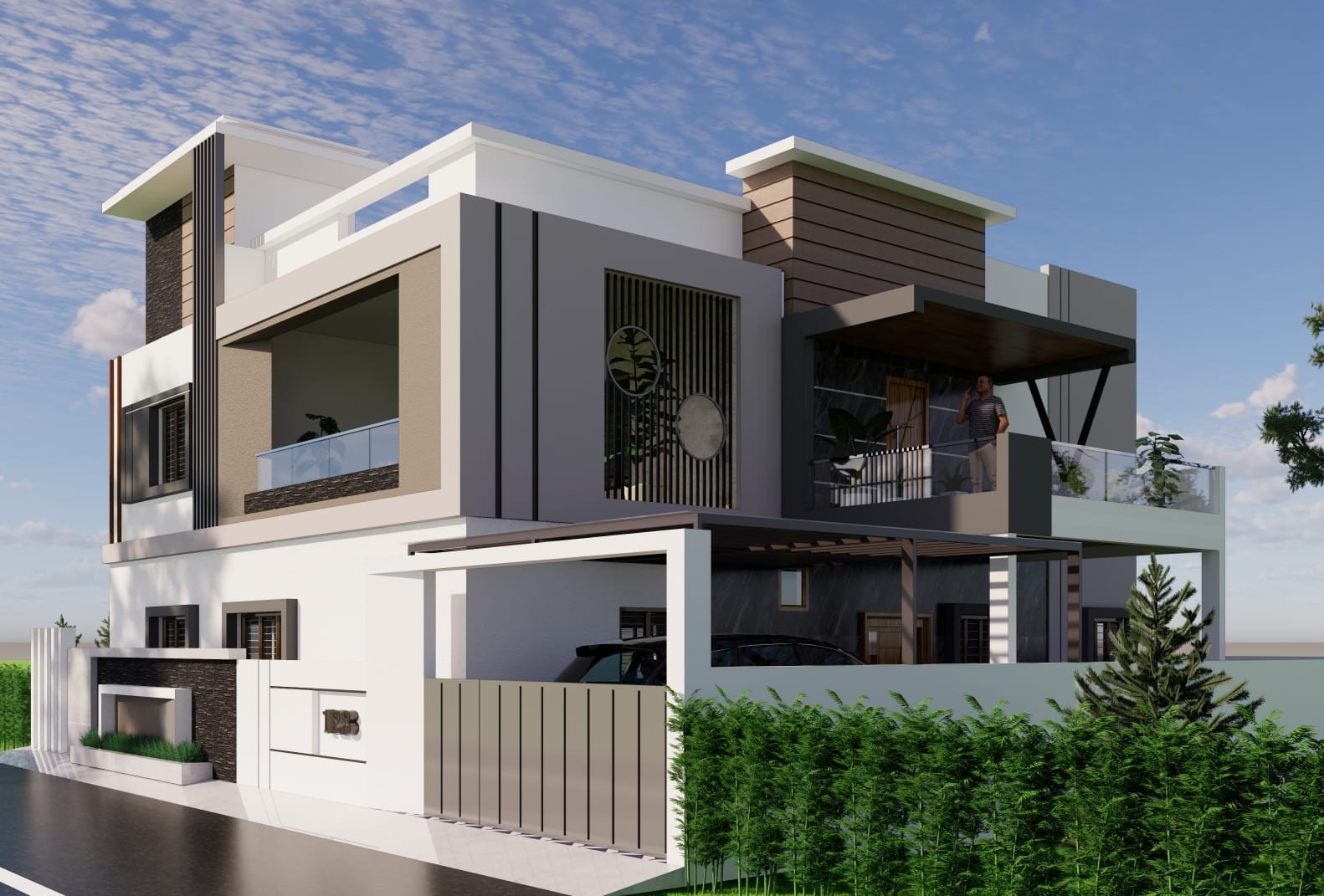
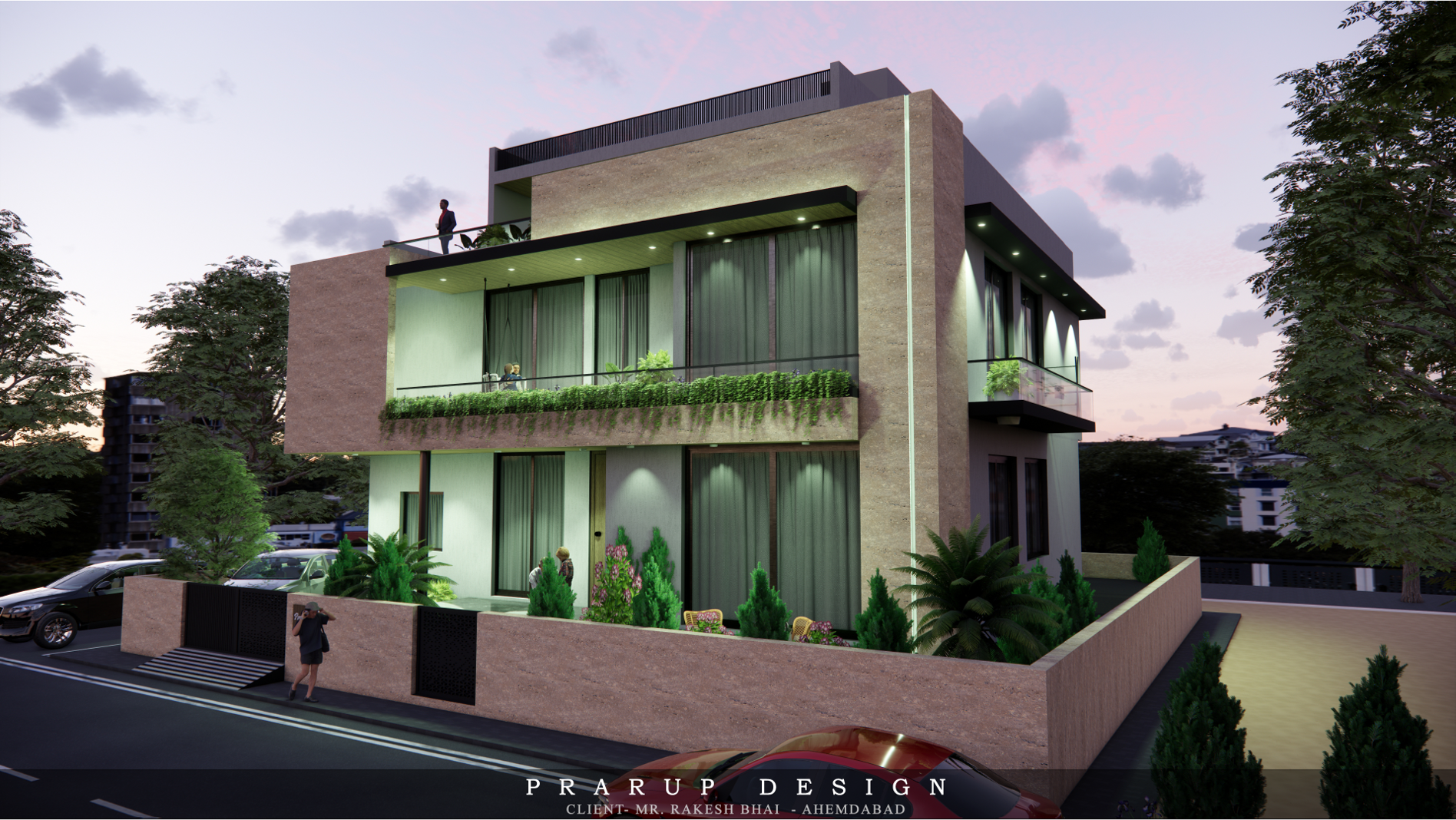
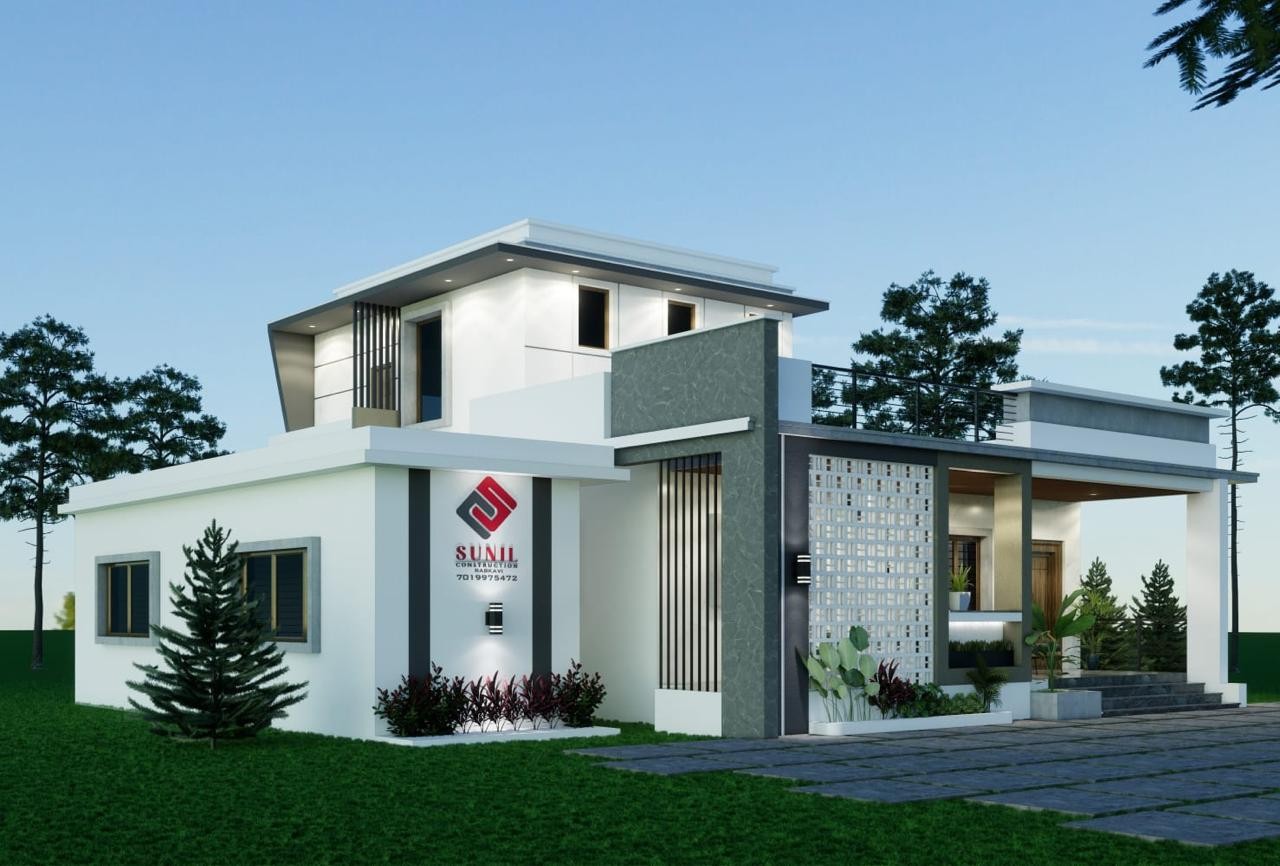
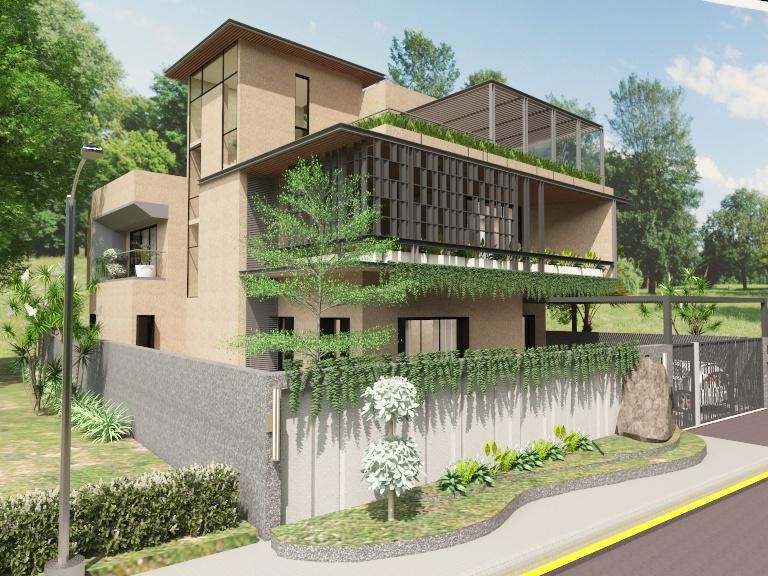
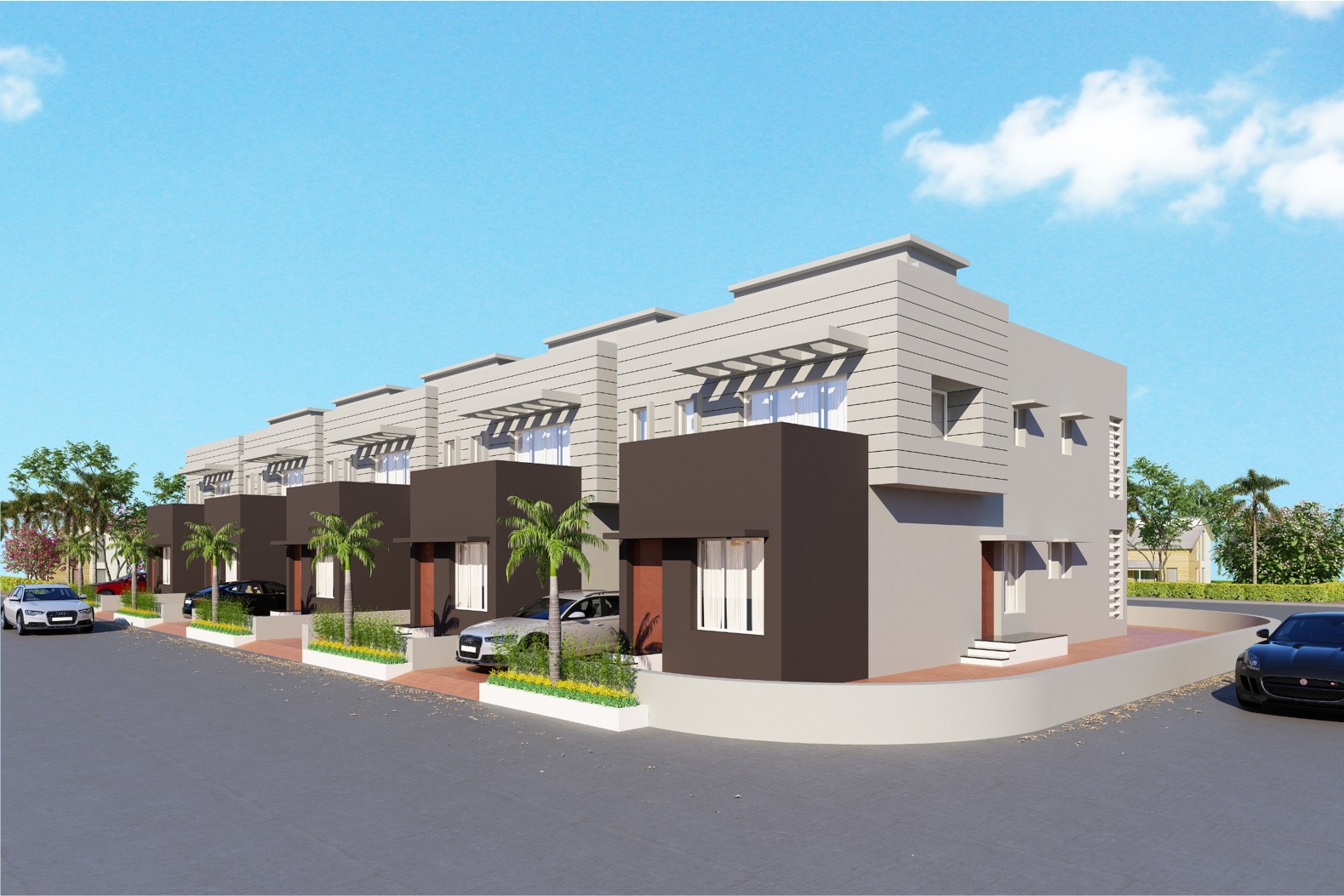
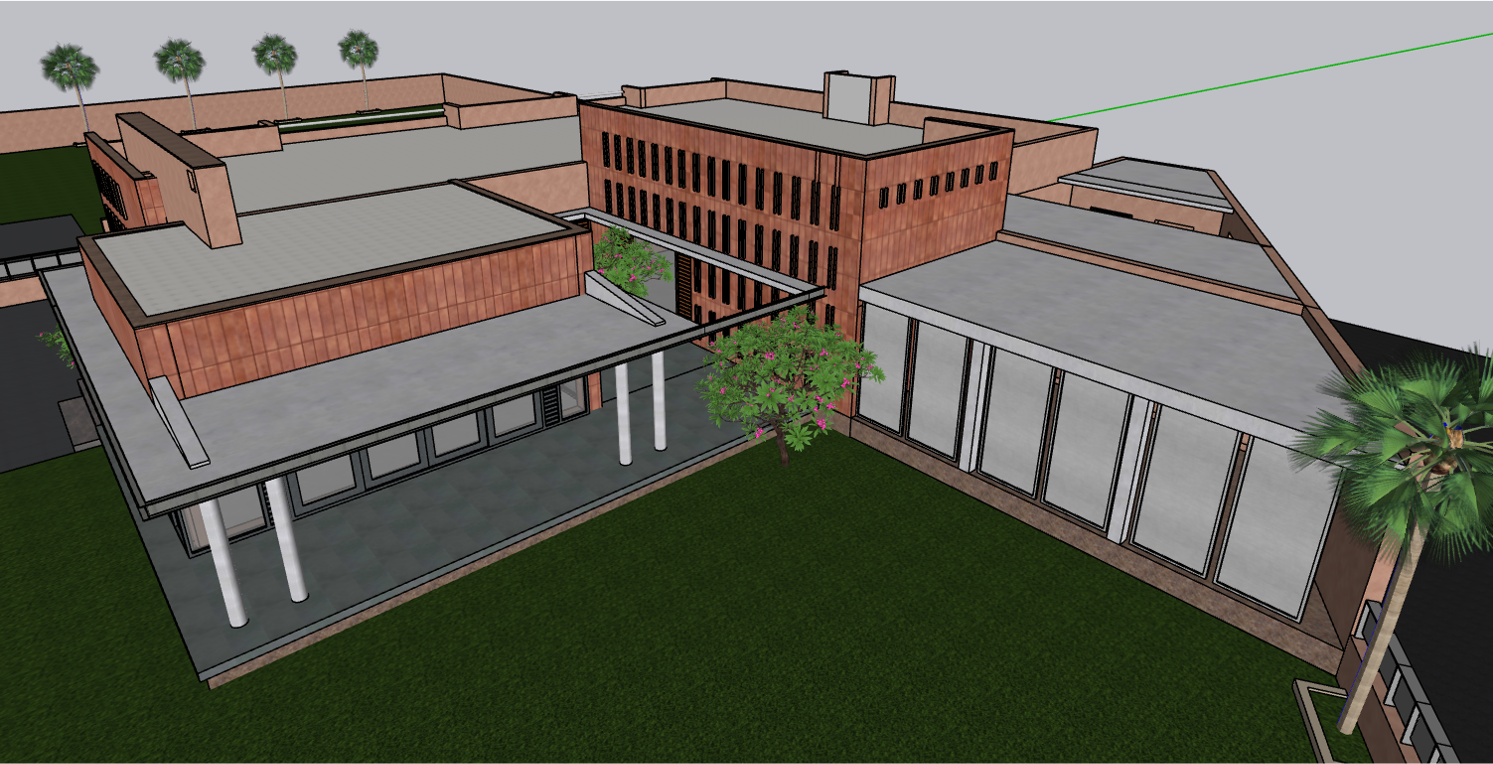
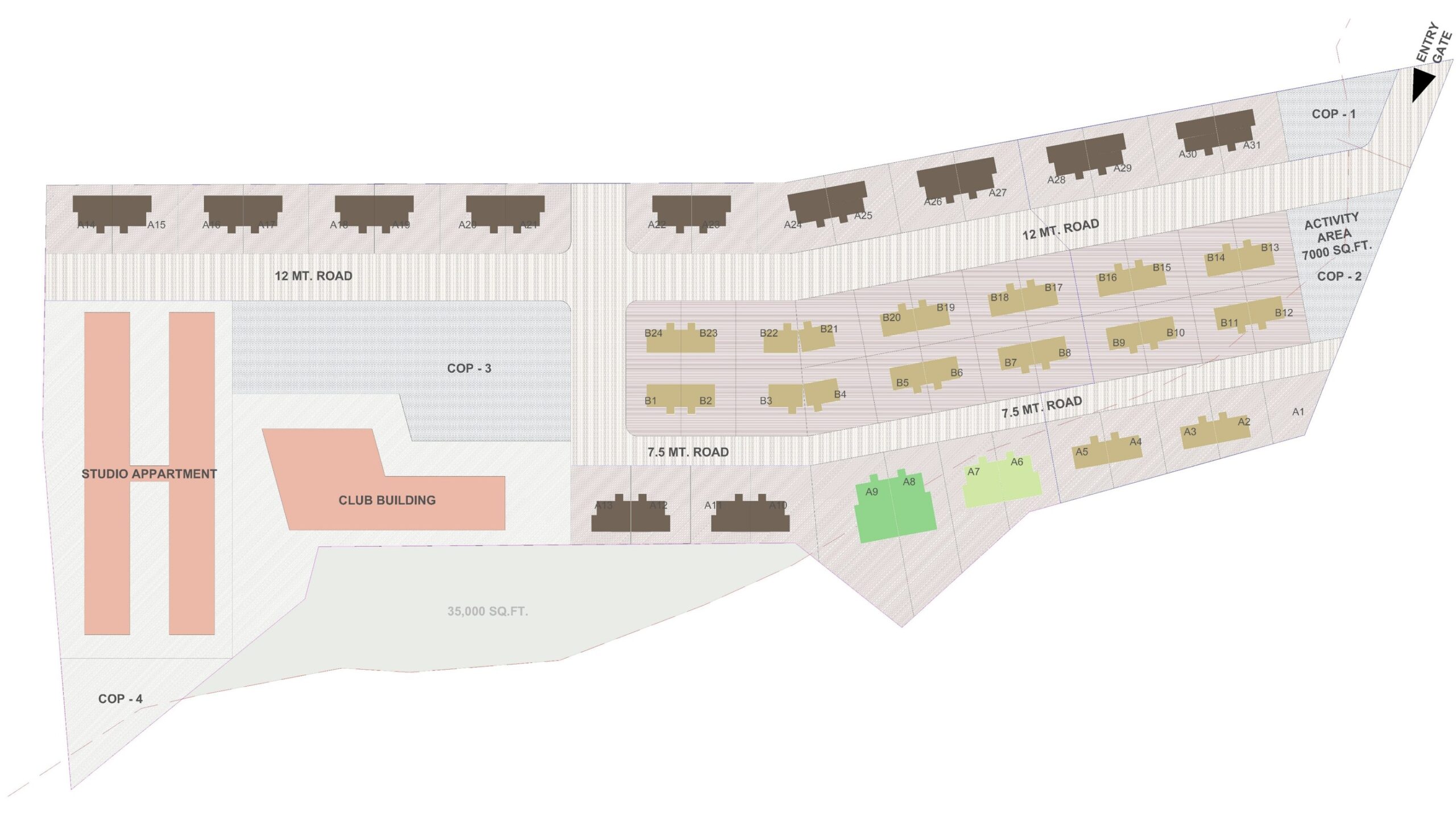
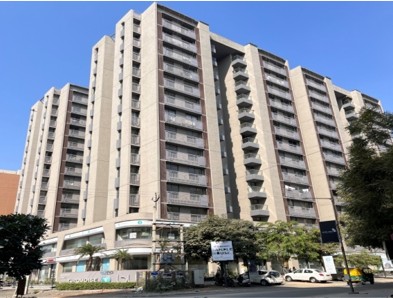
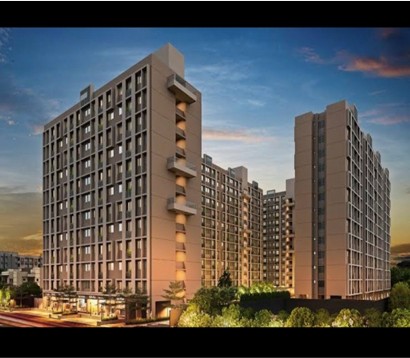
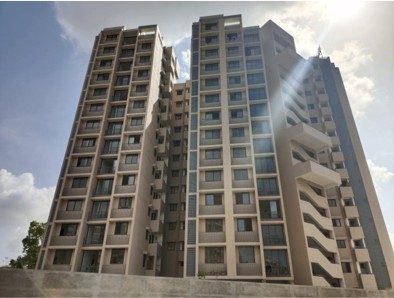
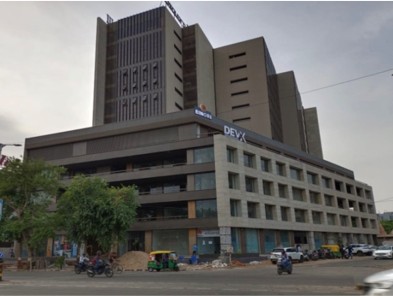
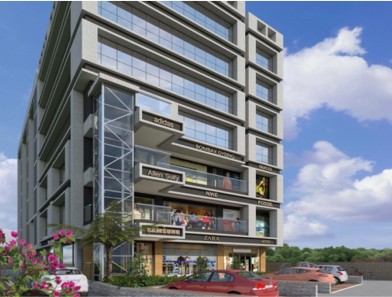
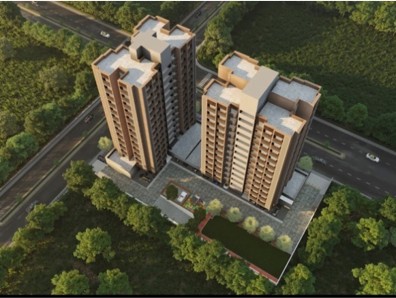
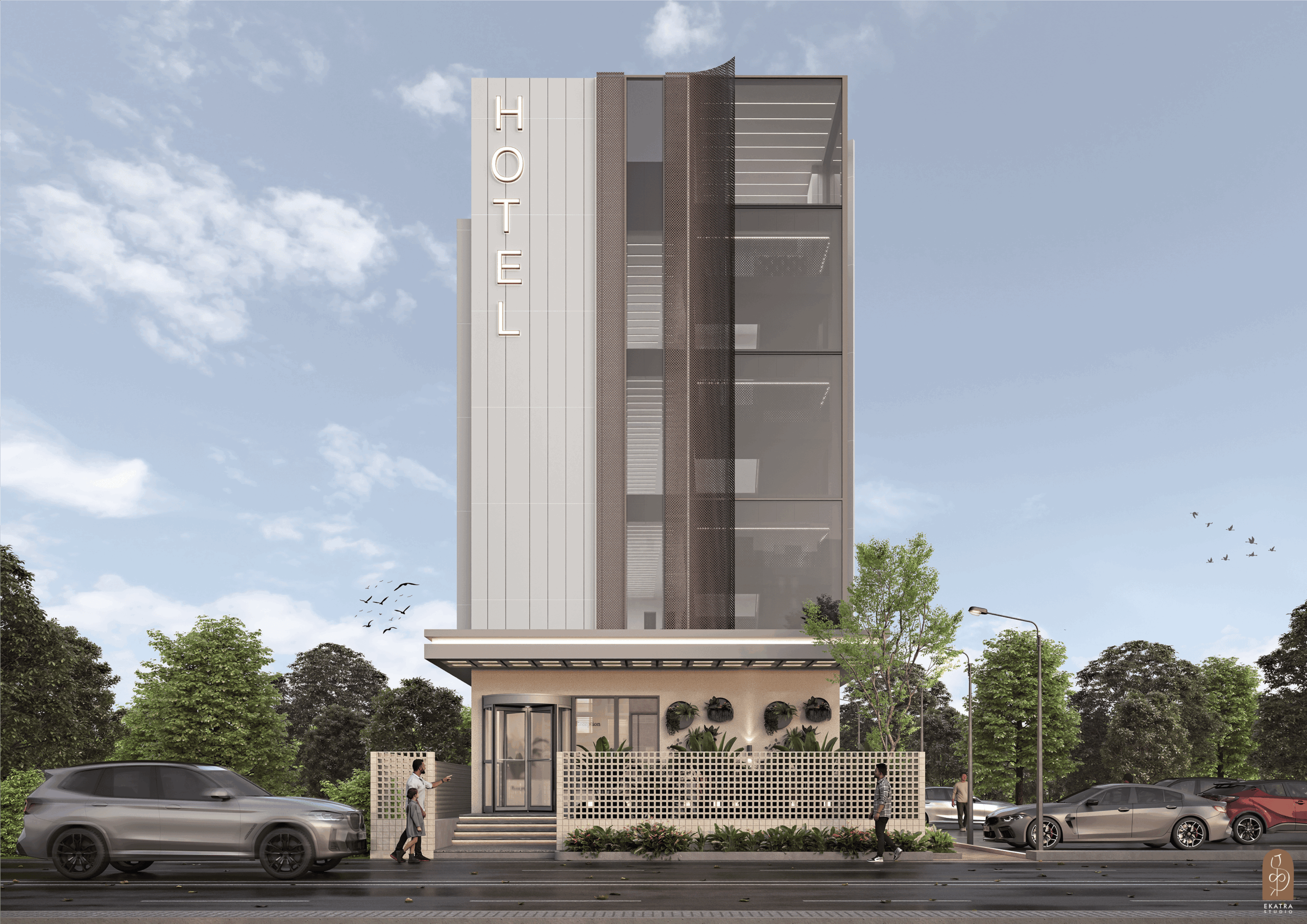
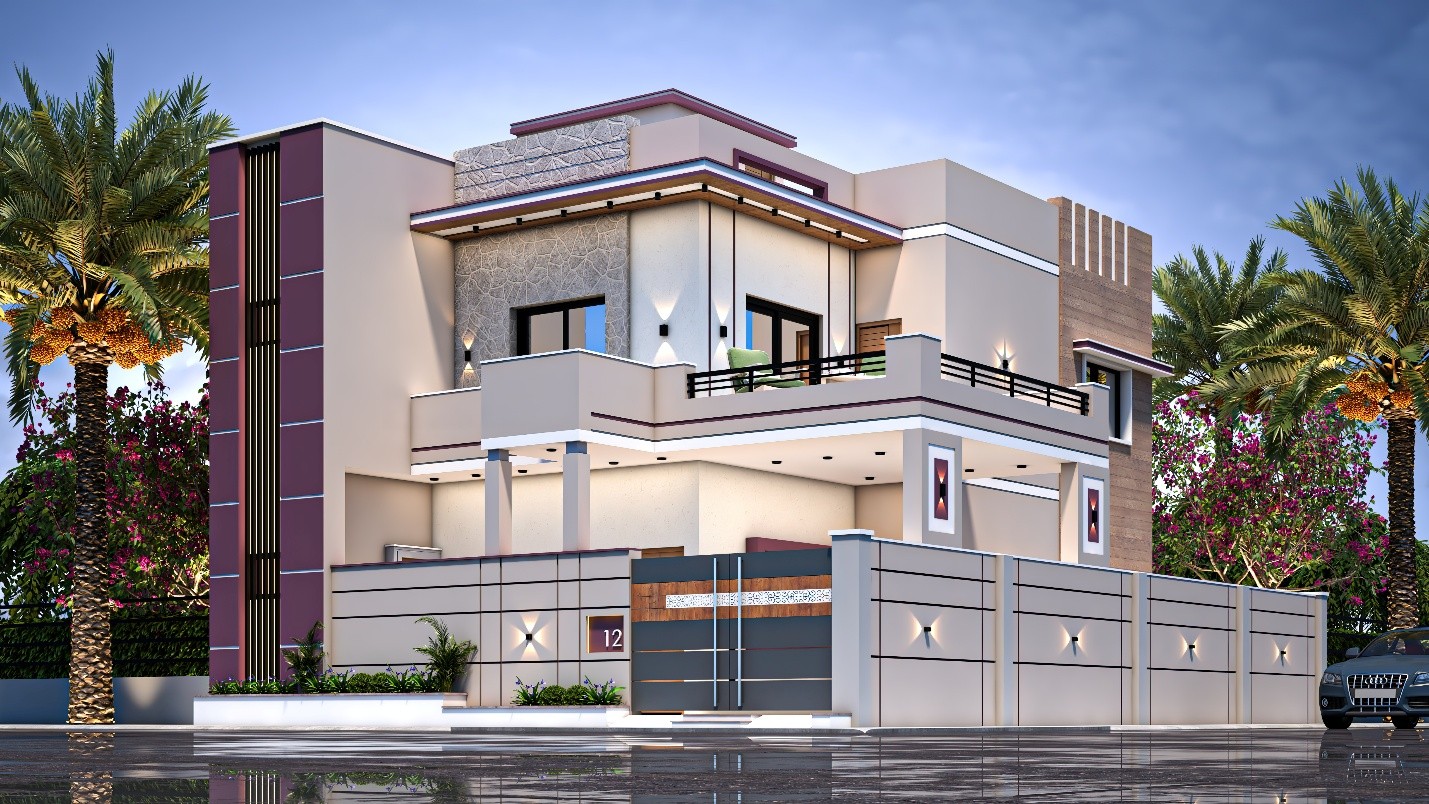
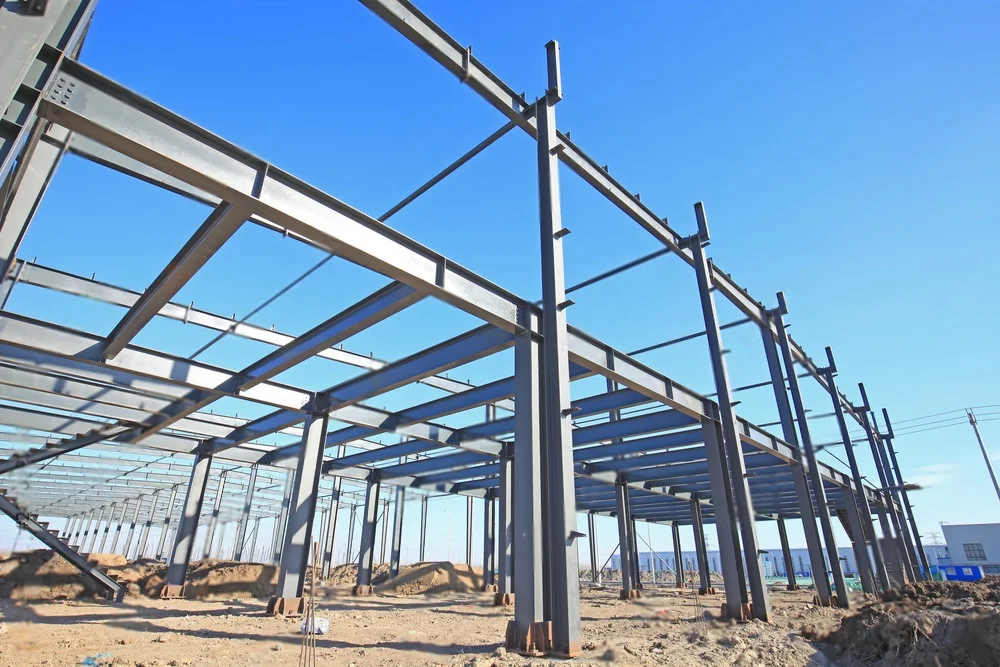
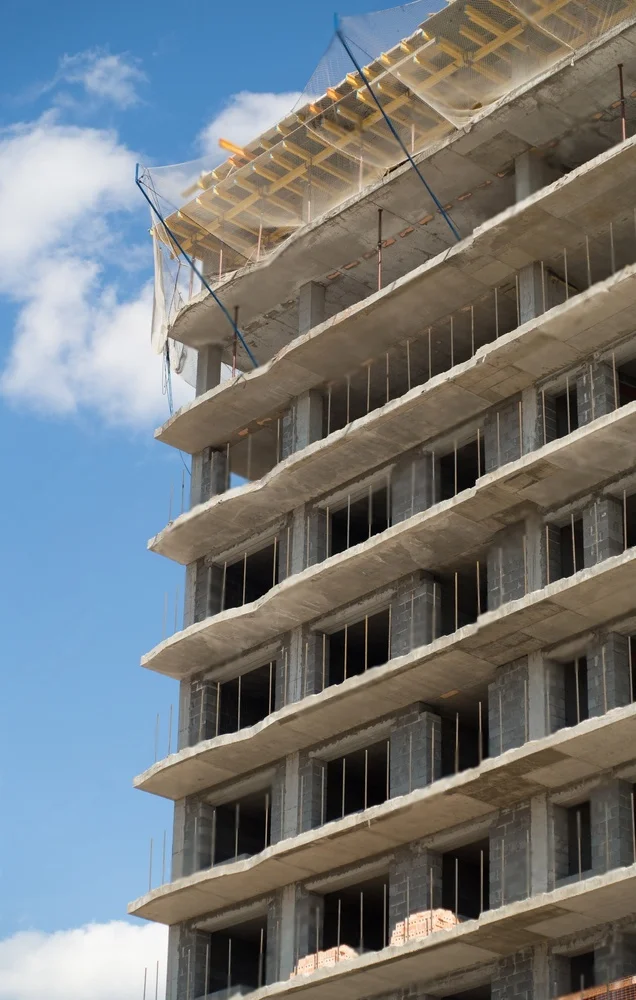
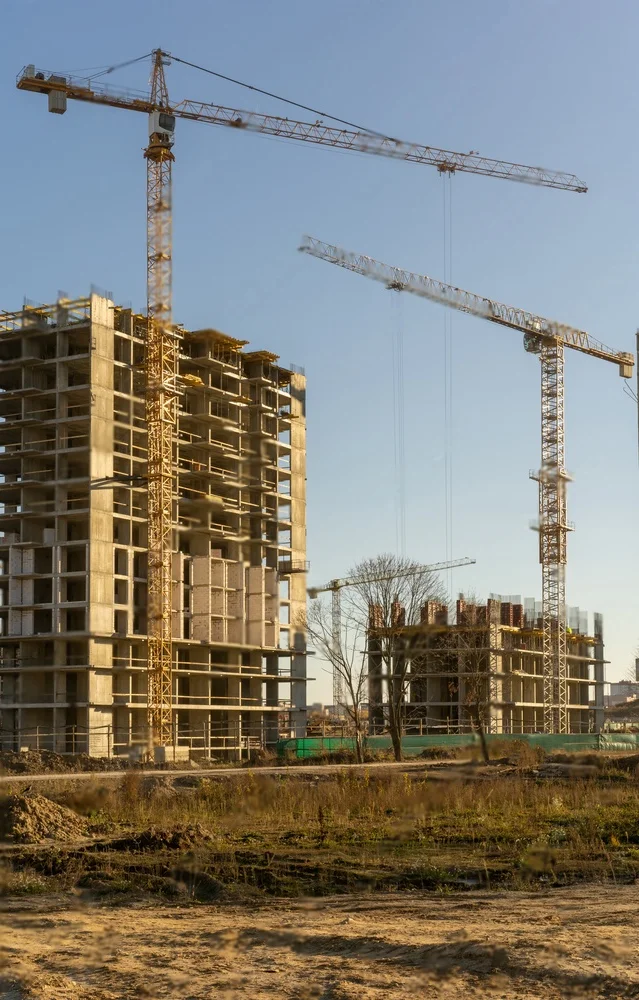
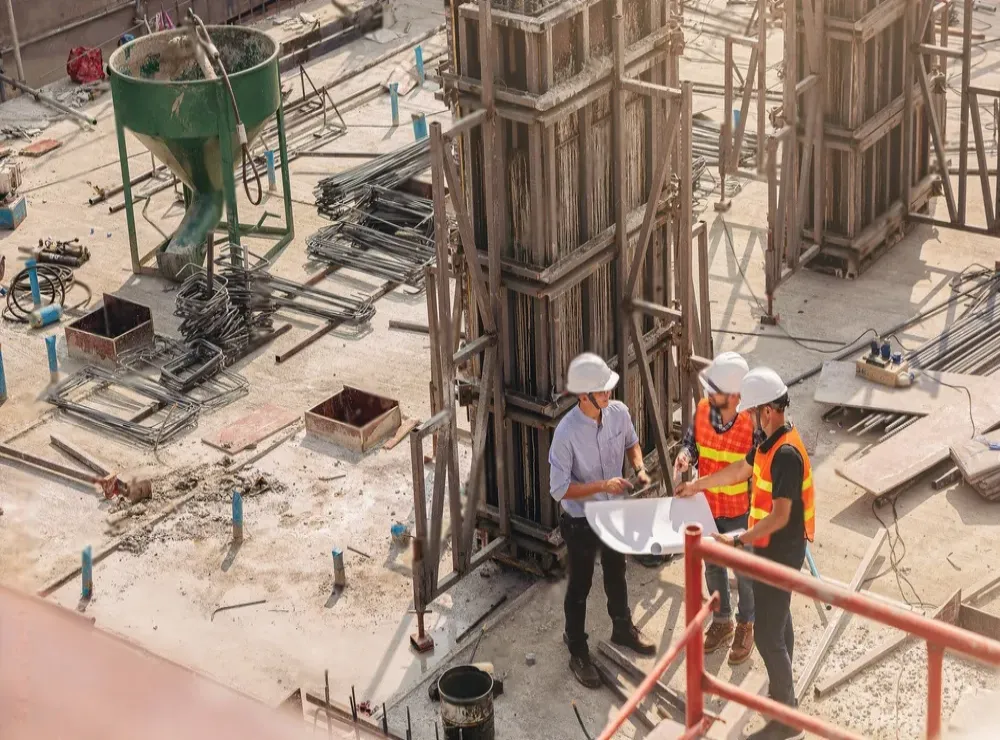
Explore Trident Design’s portfolio, showcasing innovative structural designs that blend functionality with aesthetics. Discover how our creative solutions redefine spaces, pushing the boundaries of modern architecture.
Lorem ipsum dolor sit amet, consectetur adipiscing elit. Ut elit tellus, luctus nec ullamcorper mattis, pulvinar dapibus leo.
Lorem ipsum dolor sit amet, consectetur adipiscing elit. Ut elit tellus, luctus nec ullamcorper mattis, pulvinar dapibus leo.
Lorem ipsum dolor sit amet, consectetur adipiscing elit. Ut elit tellus, luctus nec ullamcorper mattis, pulvinar dapibus leo.
Lorem ipsum dolor sit amet, consectetur adipiscing elit. Ut elit tellus, luctus nec ullamcorper mattis, pulvinar dapibus leo.
Lorem ipsum dolor sit amet, consectetur adipiscing elit. Ut elit tellus, luctus nec ullamcorper mattis, pulvinar dapibus leo.
Lorem ipsum dolor sit amet, consectetur adipiscing elit. Ut elit tellus, luctus nec ullamcorper mattis, pulvinar dapibus leo.
1) Residential Buildings: Customized designs for homes that prioritize safety and aesthetic appeal.
2) Commercial Buildings: Efficient and functional designs for offices, retail spaces and mixed-use developments.
3) Industrial Structures: Robust designs for warehouses, factories and industrial facilities.
1) Seismic Analysis: Assessing seismic hazards and designing structures to withstand earthquakes.
2) Seismic Retrofitting: Strengthening existing buildings to enhance their resilience to seismic events.
3) Performance-Based Design: Tailoring designs to meet specific performance criteria under seismic conditions.
1) Structural Assessments: Evaluating the condition of existing structures and recommending repairs or upgrades.
2) Historic Preservation: Preserving the structural integrity of historic buildings while meeting modern safety standards.
3) Adaptive Re-use: Converting existing structures for new uses while ensuring structural stability and compliance.
1) Construction Documents: Preparation of detailed drawings and specifications for construction.
2) Quality Assurance: Monitoring construction activities to ensure compliance with design intent and industry standards.
3) Project Management: Overseeing project timelines, budgets, and coordination among stakeholders.
1) Feasibility Studies: Evaluating the feasibility of proposed projects from a structural perspective.
2) Expert Advice: Providing technical expertise and advice on structural issues and challenges.
3) Risk Assessment: Identifying and mitigating structural risks to ensure project success.
The structural design of a building involves a systematic approach to ensure that the structure is safe, functional, and cost-effective. Here is a detailed step-by-step approach to the structural design process:
1) Client Meeting: Understand the client's vision, requirements, and constraints for the project.
2) Project Scope: Define the scope of the project, including the type of building, intended use, location, budget, and timeline.
3) Preliminary Data Collection: Gather site-specific data such as topography, soil conditions, climate, and seismic zone information.
1) Preliminary Design Concepts: Develop initial design concepts based on the client’s requirements and site conditions.
2) Feasibility Study: Conduct a feasibility study to evaluate different design options, considering factors such as cost, constructability, and sustainability.
3) Architectural Integration: Collaborate with architects to integrate structural elements with the architectural design, ensuring aesthetic and functional coherence.
1) Load Analysis: Perform load calculations, including dead loads, live loads, wind loads, seismic loads, and other environmental factors.
2) Material Selection: Select appropriate construction materials based on load requirements, durability, sustainability and cost.
3) Structural System Design: Choose the structural system (e.g., frame, shell, truss) and design the primary structural elements (beams, columns, slabs, foundations).
4) Preliminary Drawings: Create preliminary structural drawings and models using CAD or BIM software for visualization and further analysis.
1) Finite Element Analysis (FEA): Use advanced modeling and finite element analysis software to simulate the structural behavior under various loads and conditions.
2) Design Optimization: Optimize the structural design for efficiency, safety and cost-effectiveness, making adjustments as necessary.
3) Compliance Check: Ensure that the design complies with relevant building codes, standards, and regulations.
1) Detailed Drawings: Produce detailed structural drawings, including plans, elevations, sections, and connection details.
2) Specifications and Reports: Prepare comprehensive design specifications, calculation reports, and construction documentation.
3) Review and Approval: Submit the design for review by peers, clients, and regulatory authorities, making necessary revisions based on feedback.
1) Construction Schedule: Develop a detailed construction schedule, coordinating with other disciplines to ensure a smooth workflow.
2) Material Procurement: Assist in the procurement of construction materials, ensuring they meet design specifications and quality standards.
3) On-Site Support: Provide on-site support during construction, including inspection, quality control, and troubleshooting.
Explore Trident Design’s portfolio, showcasing innovative structural designs that blend functionality with aesthetics. Discover how our creative solutions redefine spaces, pushing the boundaries of modern architecture.
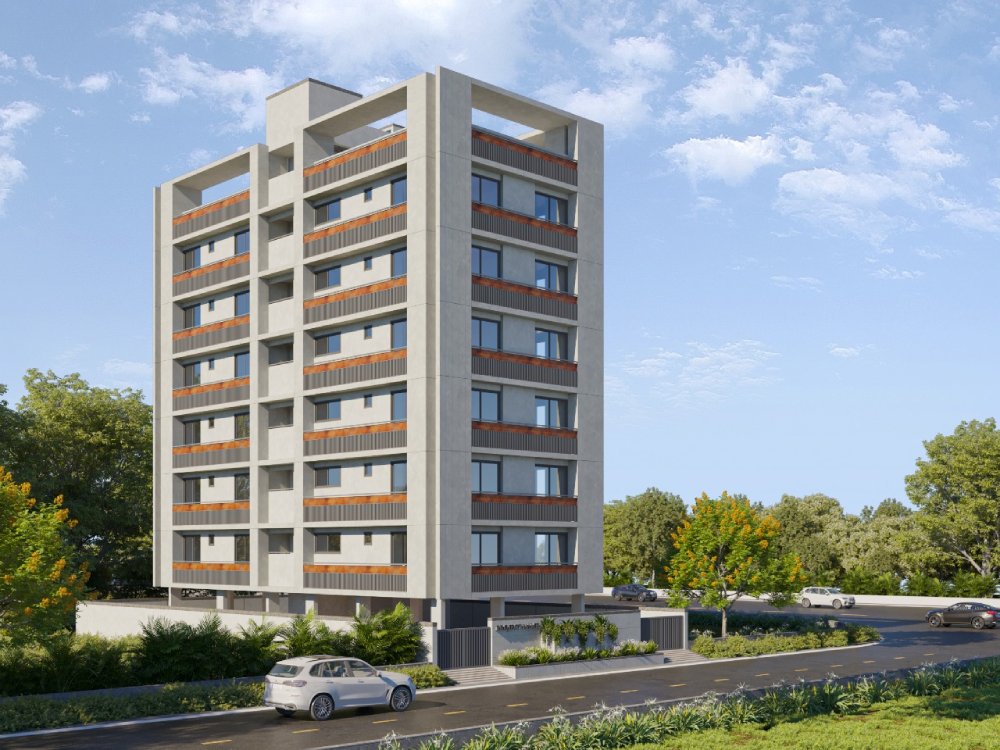
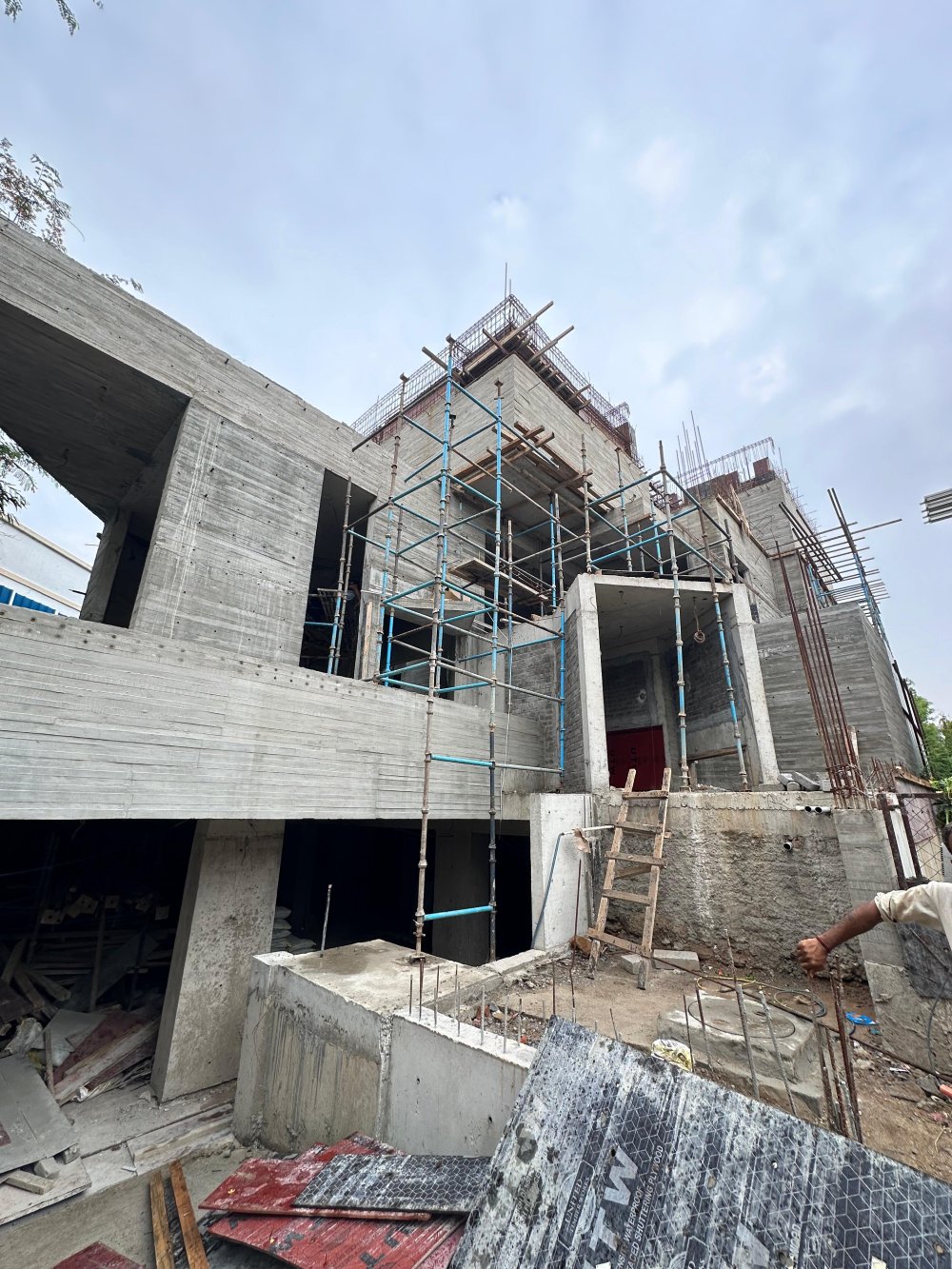
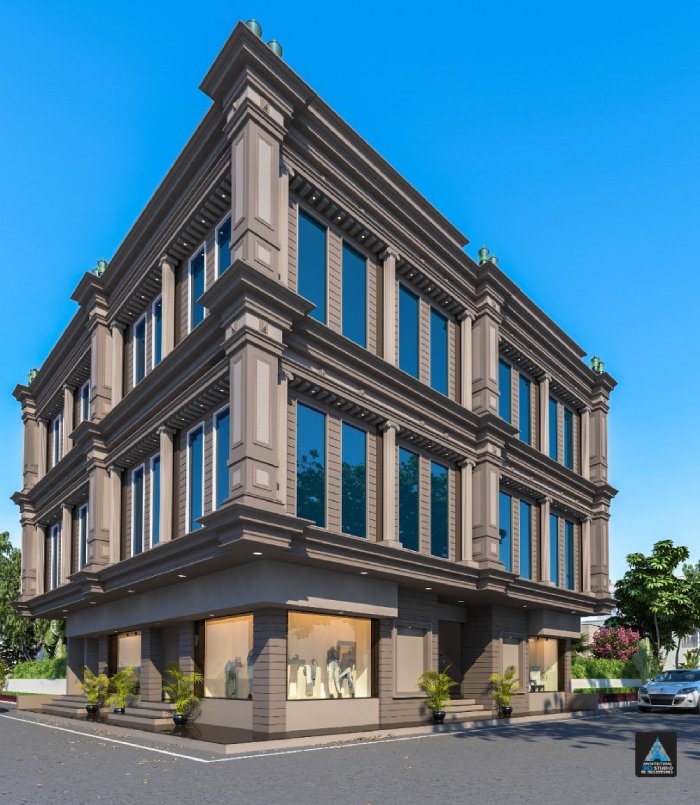
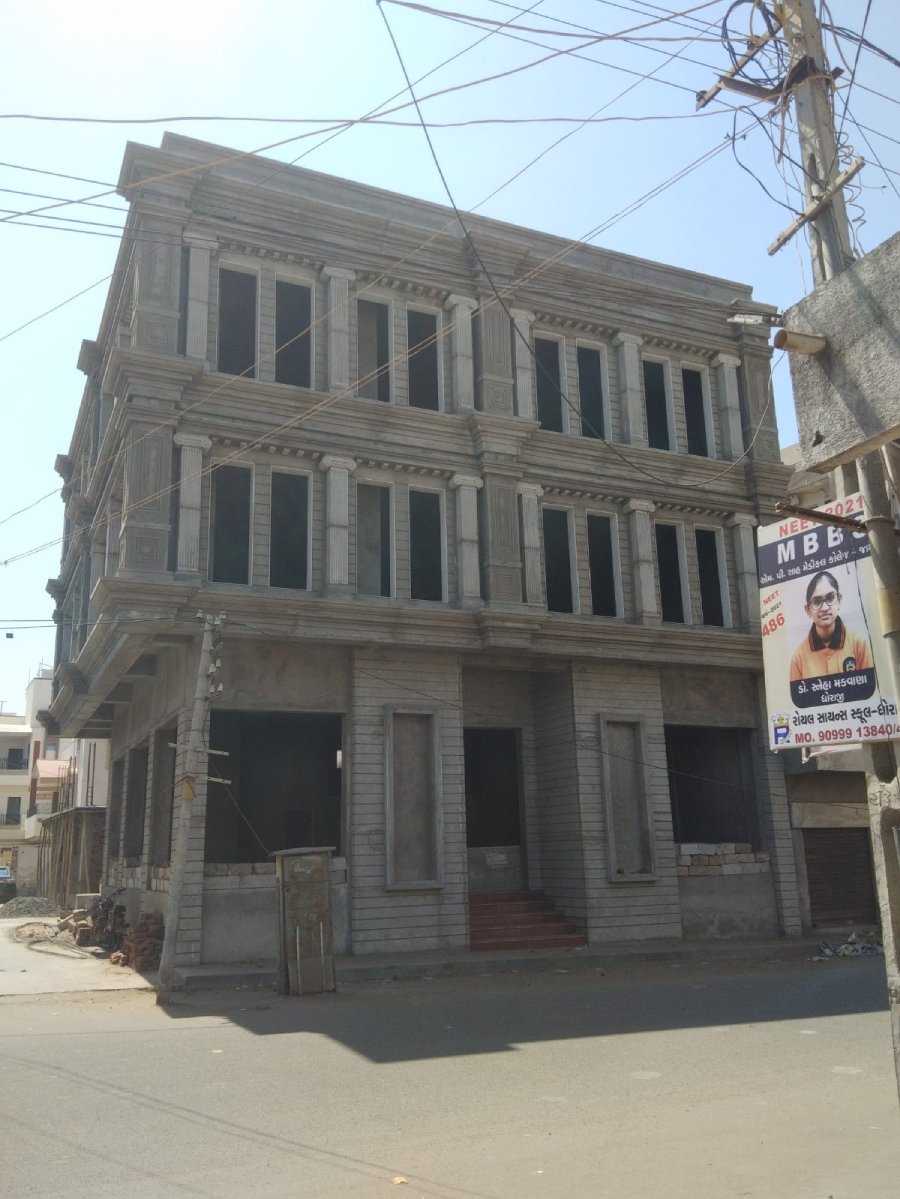
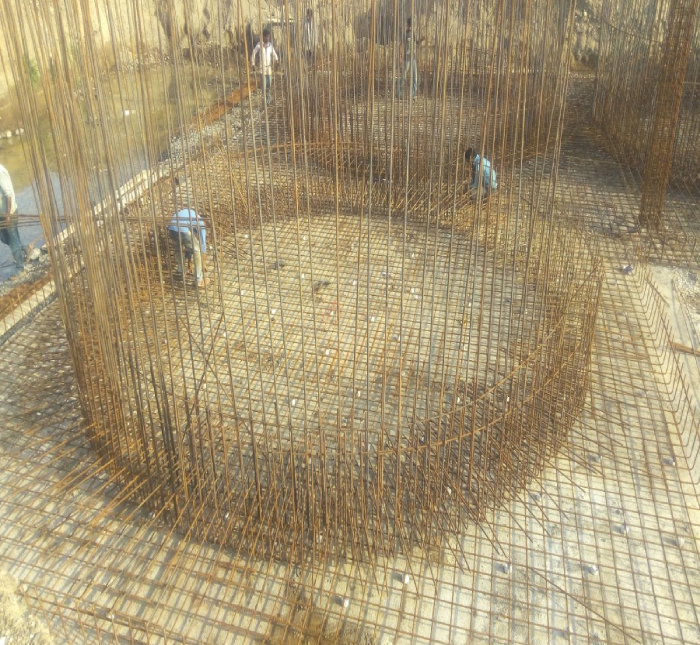

Explore Trident Design’s portfolio, showcasing innovative structural designs that blend functionality with aesthetics. Discover how our creative solutions redefine spaces, pushing the boundaries of modern architecture.

WhatsApp us
